Pull It While It's Still Giving.
Mid-August is the month you have to end something that is still producing. An accounting of one week, in and out.
 By Ana · August 12, 2026 · 6 min read
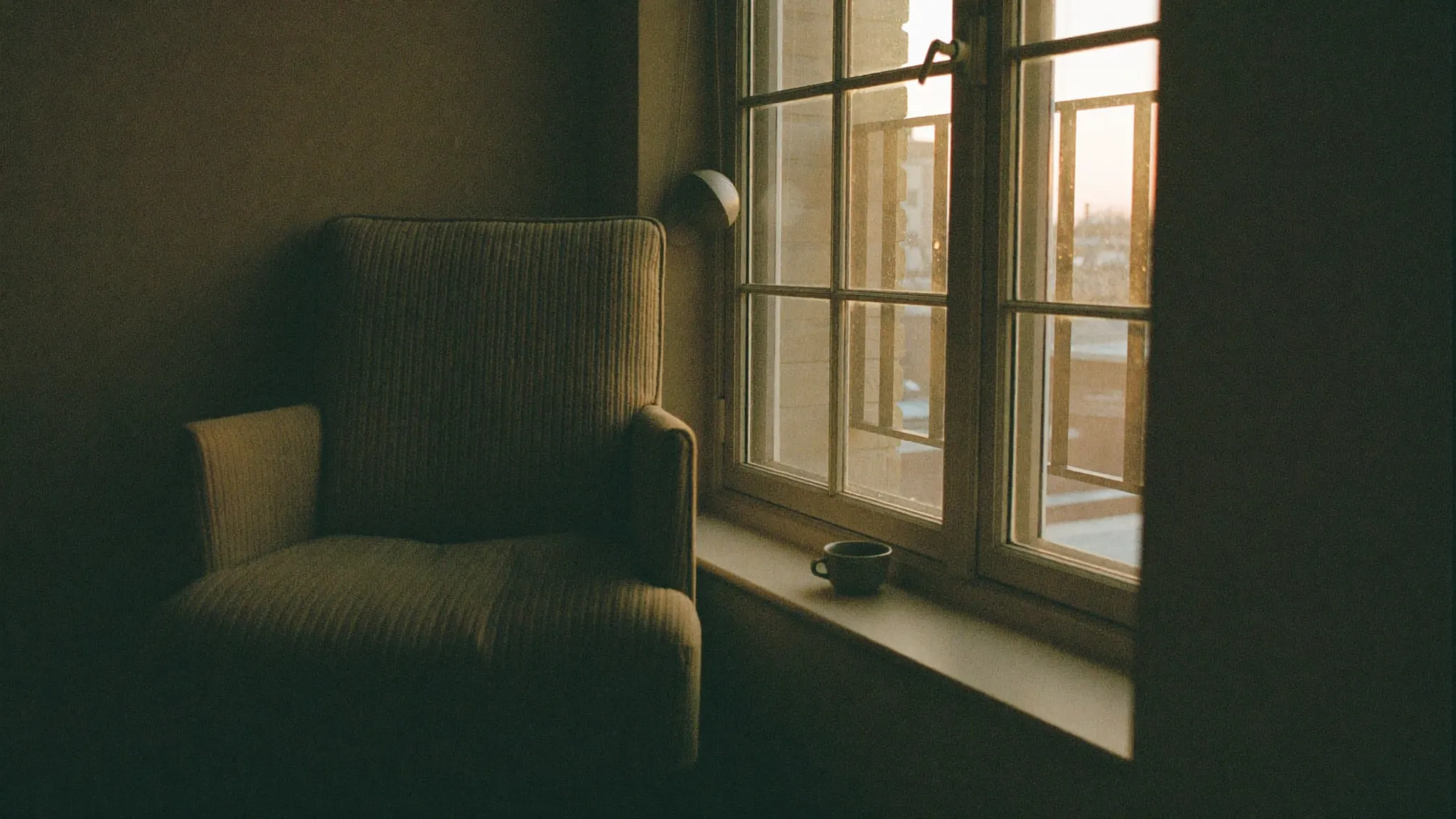
The morning came in at forty-nine degrees and I went and got a sweatshirt.
That is the whole event. Nothing else happened. But I stood on the porch with my hands around the mug longer than I needed to, because the air had a seam in it that wasn't there last week, and every gardener I have ever met knows exactly what that seam means. It means the ledger just opened.
August doesn't announce itself the way July does. July arrives loud, with more tomatoes than sense. August turns. And the turn asks one question, and it is not a gentle one: what are you willing to end while it is still giving you something?
The Seam
You feel the turn before you can prove it. The light comes in at a lower angle and lands further into the kitchen. The shadow of the barn reaches the fence line before supper instead of after. The blackbirds are quieter and busier at the same time, which is a thing they do in August and I have never once caught them explaining.
The thermometer is the least of it. What actually tells you is that you go looking for something with sleeves. Mine lives in the bottom drawer eleven months a year and comes out for exactly this morning — the heavy sweatshirt off the Farm & Supply rack — the kind that goes soft at the cuffs and picks up a coffee stain you make peace with. Every year I put one on and think: oh. Right. We're doing this again.
And here is the part I resisted for years. The turn is not a warning that something bad is coming. It's an invoice. The fall garden — the greens that carry us into November, the roots that get sweeter after a frost — has to be paid for now, in August, in ground that is currently occupied by plants I am still fond of. There is no later. October has a closing date and it does not move for anyone's feelings about a cucumber vine.
The Pull
I put it off. I always do. I walked past the cucumbers for nine days telling myself they were still producing, and they were — badly, stubbornly, four bitter fruit a week off a vine that used to hand me twenty. That's the trap. A thing that is failing slowly looks a lot like a thing that is working.
So on Sunday I got the gloves and did it. You take the vine at the base, and it does not want to come, and then it comes all at once with a sound like paper tearing, and you are standing there holding six feet of a living thing you grew on purpose. It is the least sentimental job on this farm and the one that reliably makes me sentimental.
Everything worth having goes in the basket — the four bitter cucumbers included, they make a perfectly good refrigerator pickle and nobody has to know. Then the vine goes to the pile, the trellis comes down, and the bed sits there open and honest and a little embarrassing, the way a room looks when the furniture leaves.
It takes an hour. I would tell you it's the hardest hour of the gardening year, and I mean that in the sense that matters — not the labor, the deciding.
What The Beds Owed Us.
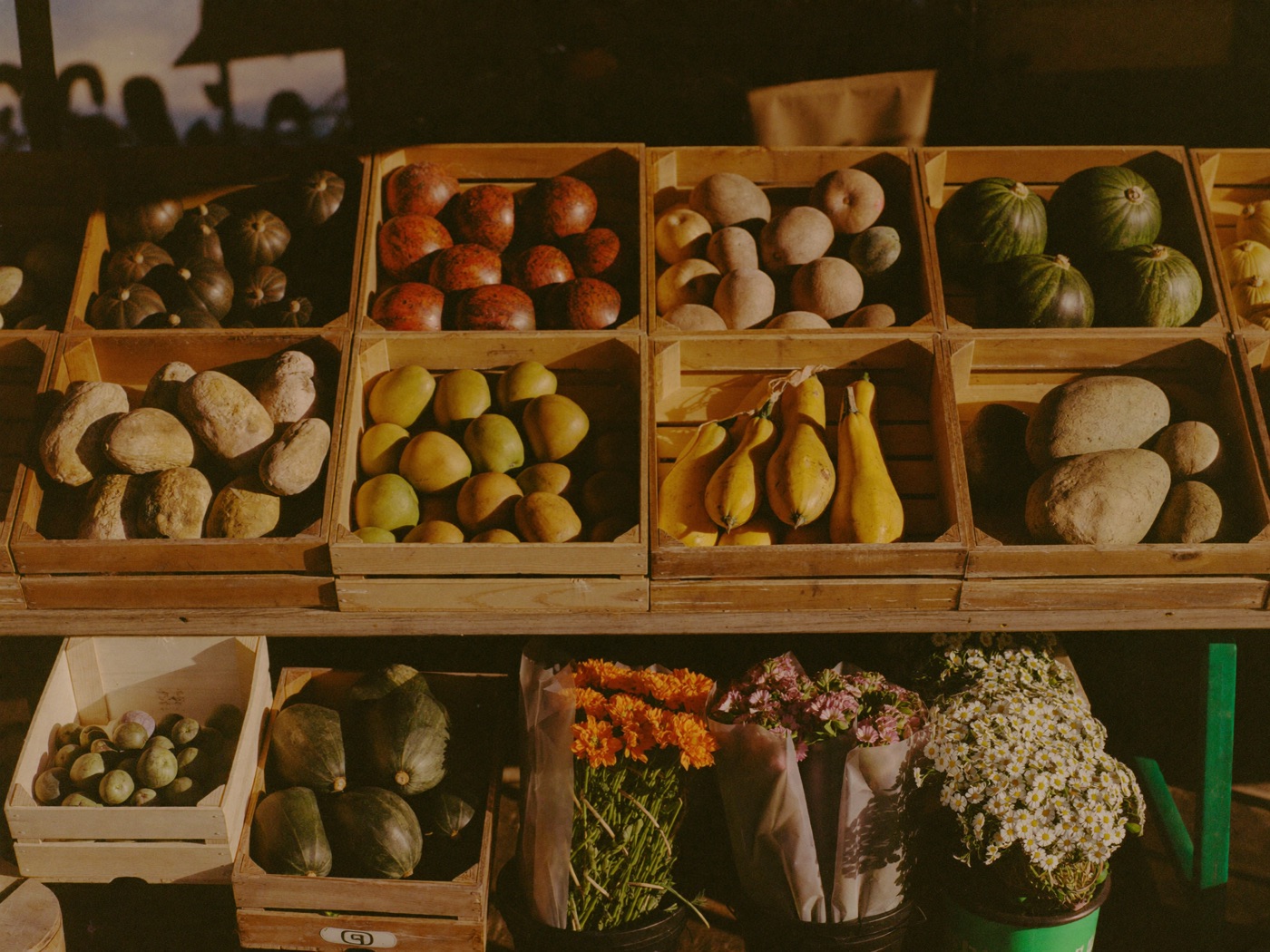
The last of it comes in crates now, not handfuls. Squash that will keep on a cool shelf until Thanksgiving, and flowers cut short because the stems are done arguing.
Baskets, trays, and what to put it all in →“A thing that is failing slowly looks a lot like a thing that is working. August is when you have to tell the difference, out loud, with gloves on.”
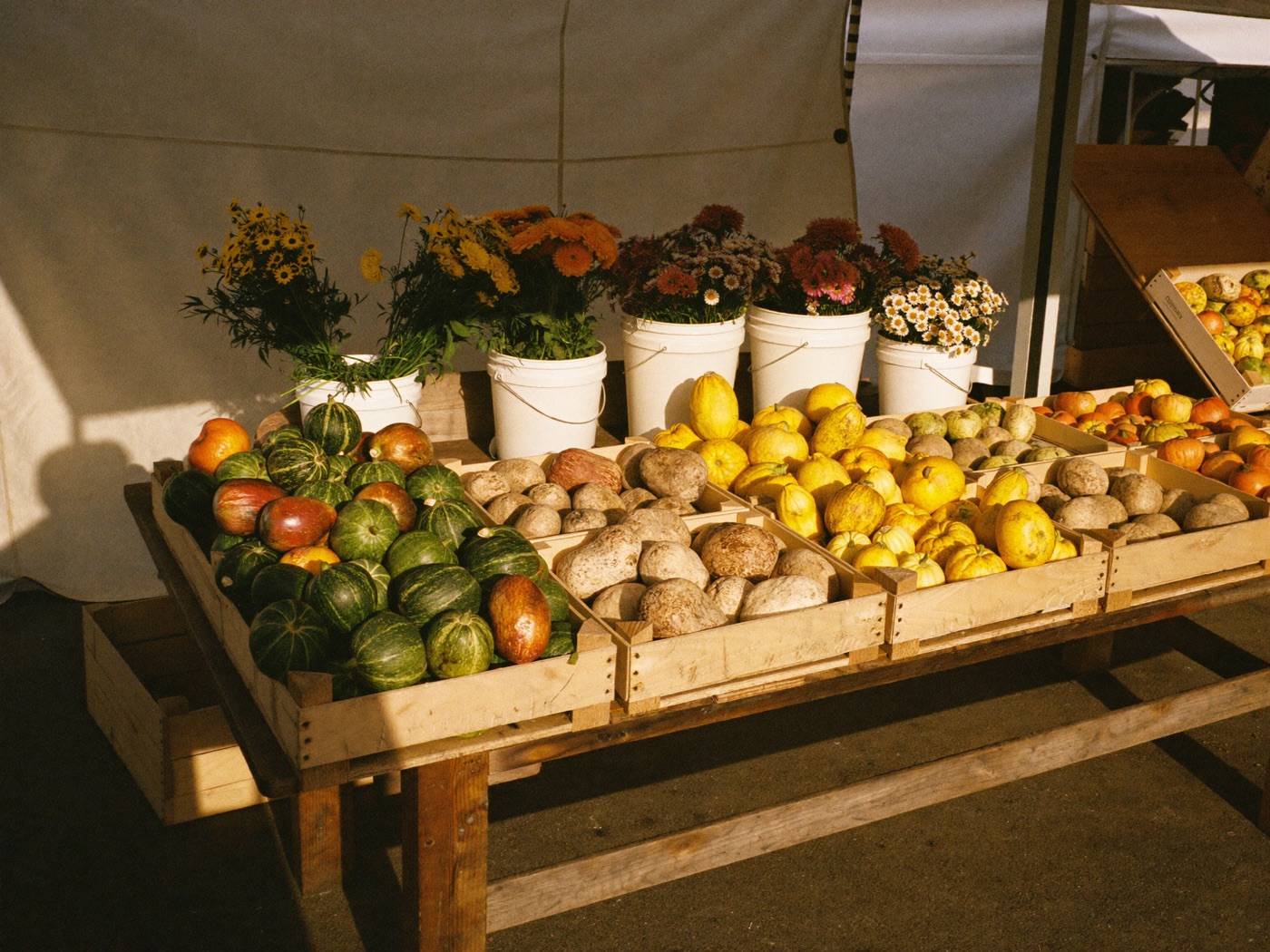
Bought With August.
None of this exists unless somebody clears a bed in the middle of the summer and plants into it while the weather is still wrong.
What Goes Back In
The bed gets an inch of compost and a rake and then, the same afternoon, seed. That immediacy is the whole trick. An open bed in August grows weeds faster than you can grow an opinion about it, and every day you leave it bare is a day you spend later on your knees with a hand fork.
Spinach. Kale. Turnips, which I plant mostly for the greens and then feel clever about in soup. Lettuce if the week ahead looks kind. It goes in deeper than spring seed — the top half inch of an August bed is a desert by noon — and it goes in wetter, and then you keep it wet, which is the actual work. Not the sowing. The three weeks after.
What you are doing, and it took me a long time to say it this plainly, is planting in weather that argues with you for a season you cannot see yet. The bed is hot. The seed packet says cool-season. Everything in the air says summer. You do it anyway, on the strength of a forty-nine-degree morning and the calendar, and in six weeks you are cutting spinach in a jacket and it feels like something you got away with.
One bed is a whole autumn
The tomatoes stay. Let me be clear about that, because I don't want anyone taking a machete to a garden on my account. You don't clear August; you edit it. One bed, the one that's quietly quit on you, cleared and replanted in a single afternoon. That's the ritual. Everything else keeps going until the frost has the conversation for you.
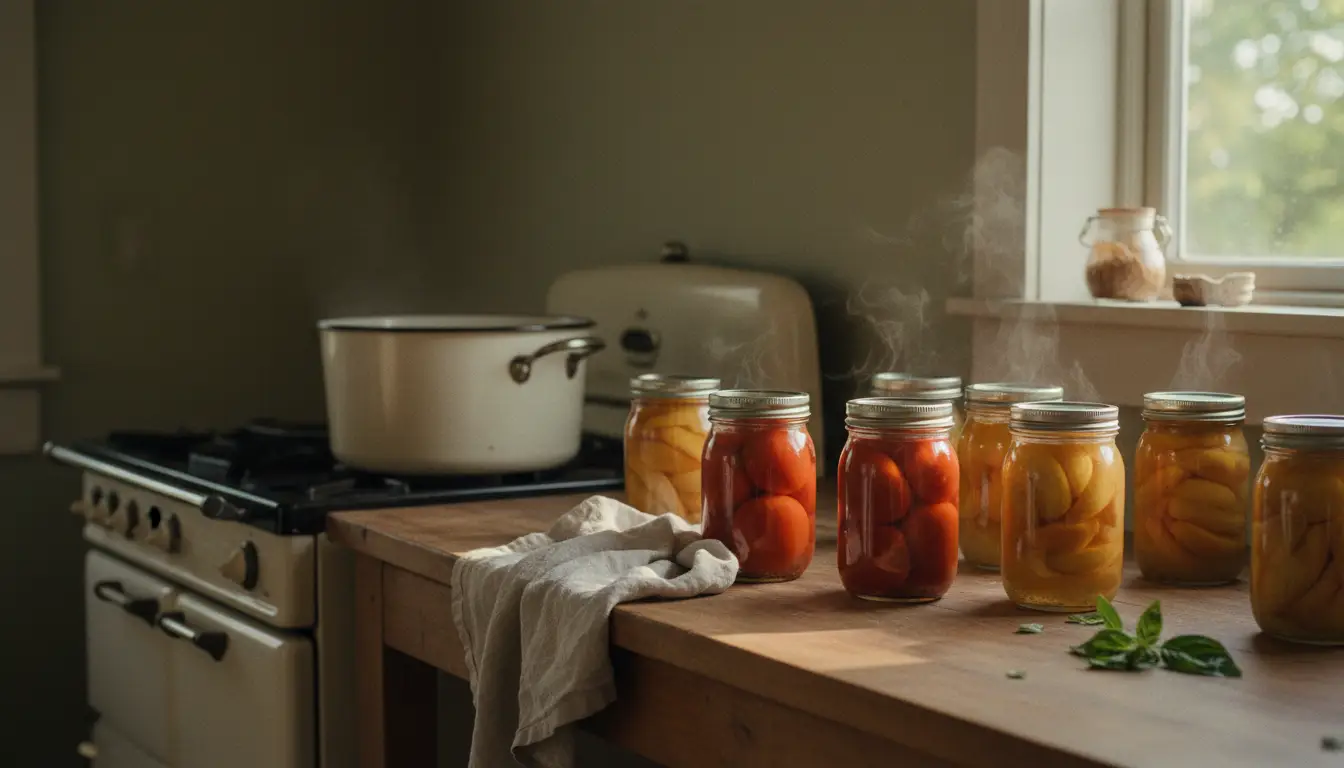
What's left over goes where the last of the summer always goes here — the good tomatoes to the counter, the ugly ones to the pot, the rest into jars and wraps and whatever else keeps a thing honest for another week. Nothing gets thrown out in August. There isn't time to be that kind of household.
And then the evening comes early enough that you notice. You shut the kitchen window for the first time since May — genuinely a small grief, that one — and put a match to something. Mine is a jar candle from Brooklyn Candle Studio, for no better reason than it's the smell my brain files under the season turned and we got the work done.
The cucumbers were still giving. I pulled them anyway. In October there will be spinach in that ground and I will not remember missing them, which is either the lesson or the consolation, and after enough Augusts I've stopped needing to know which.
Blackbird Hollow is a slow-living magazine. Nothing here is medical or health advice — we write about atmosphere, craft, and living well, not treatment. Some links on this page are affiliate links; if you buy through them we may earn a small commission, at no cost to you. It never changes what we'd tell you.