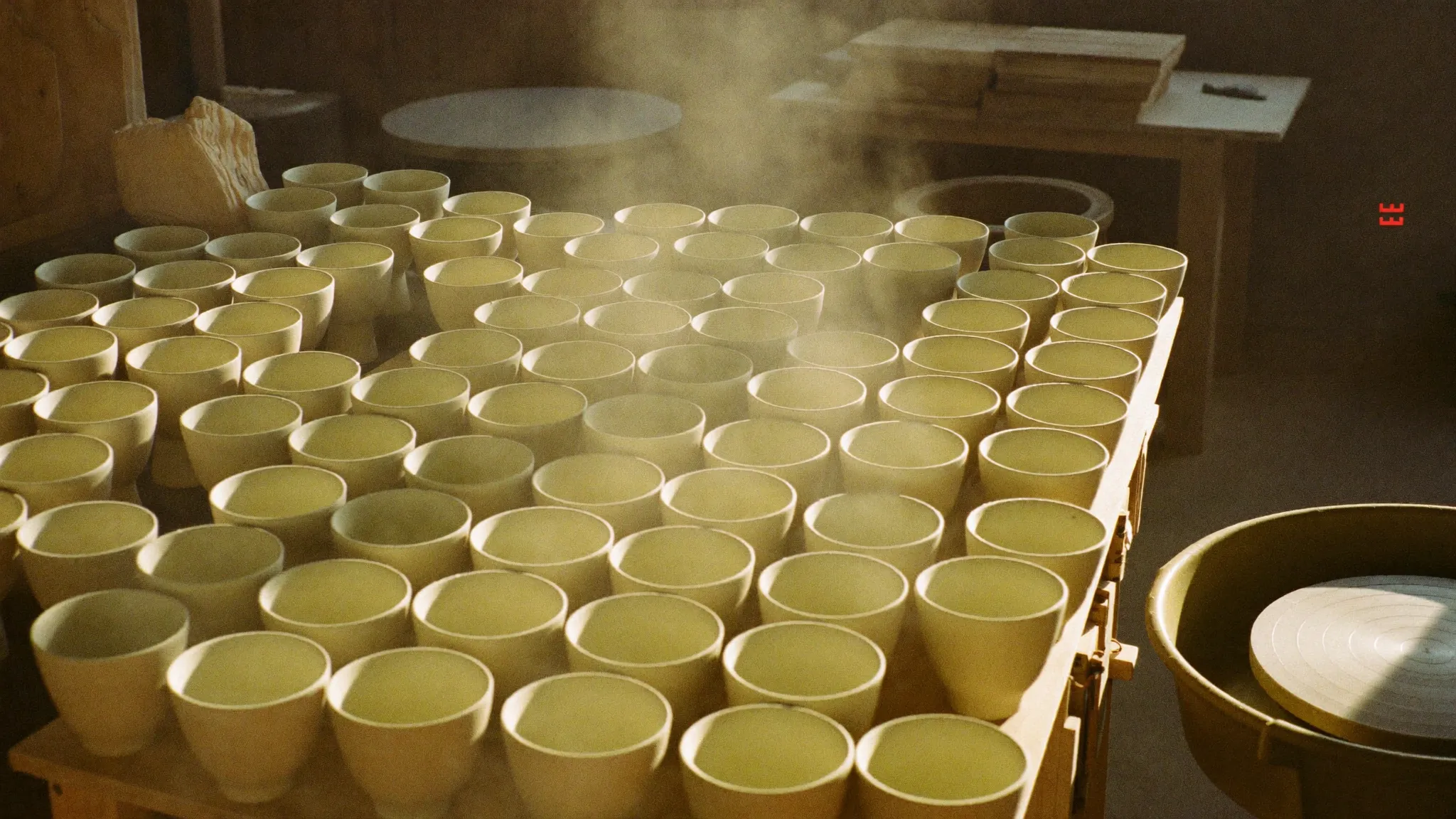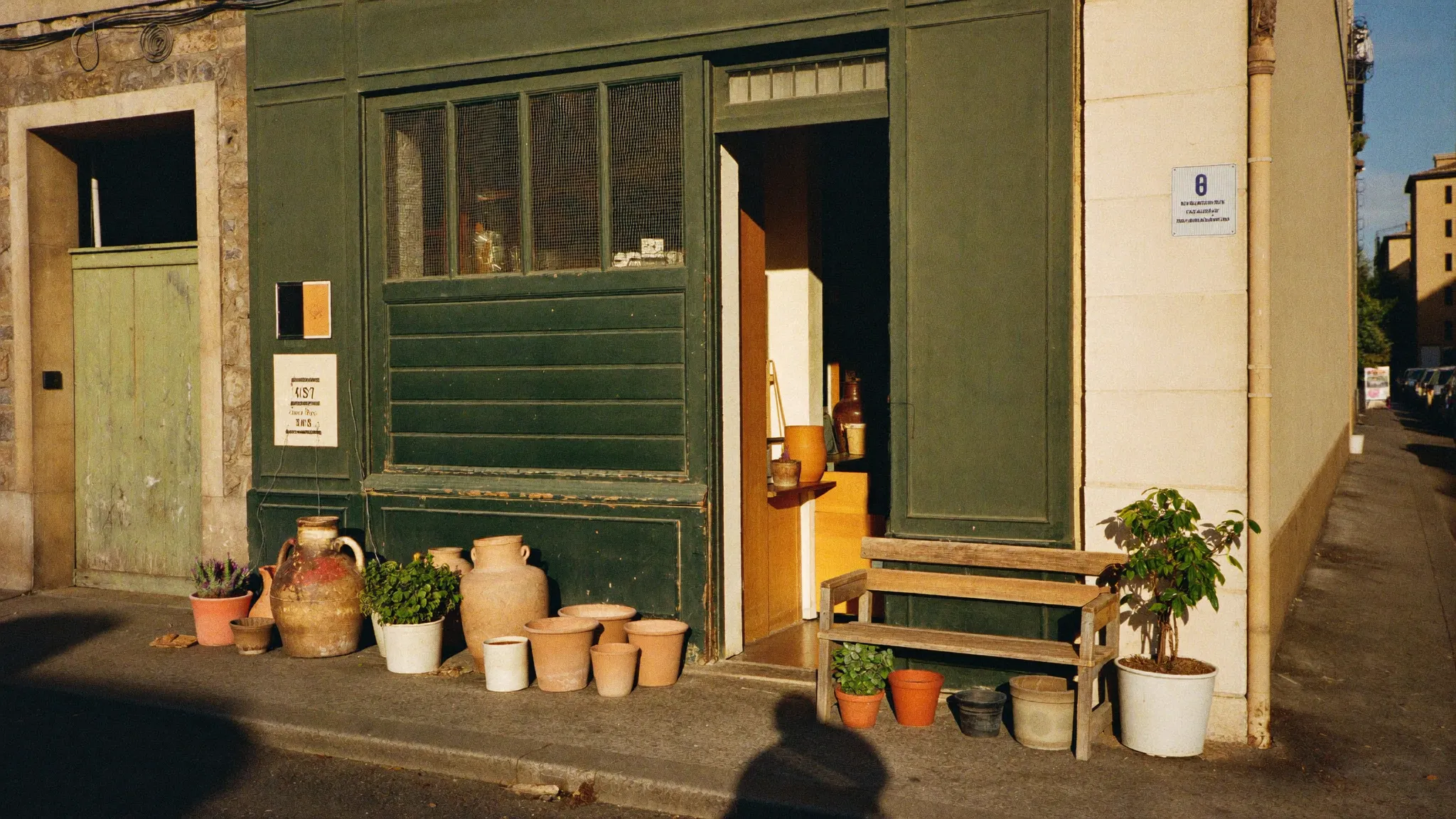
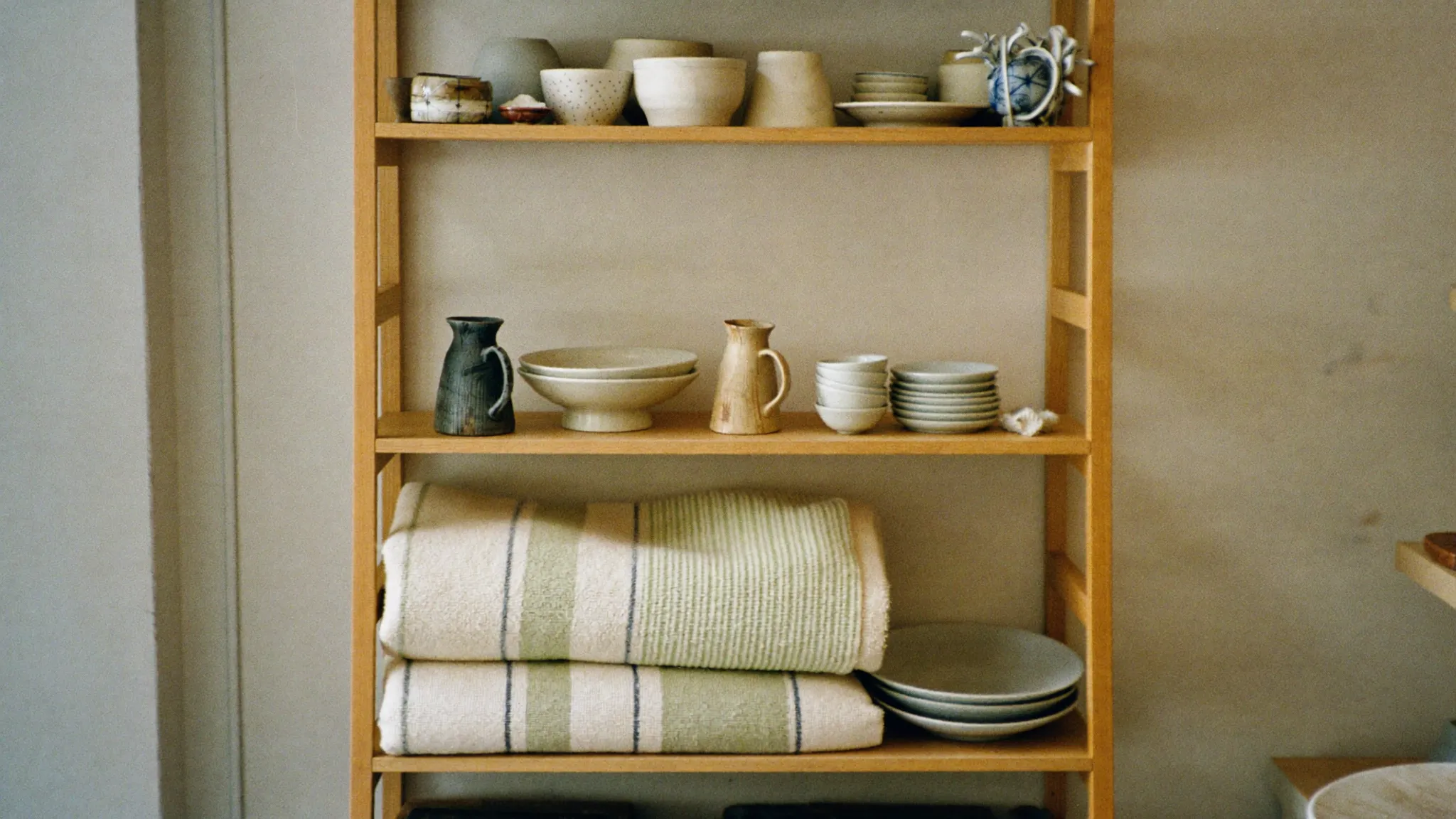
The shop is nearly empty and this is on purpose. Where a store its size might carry a thousand things, this one carries maybe eighty, and the owner can tell you the story of every one of them, where it was made and by whom and why it earned its place on his shelves.
He calls it the slow shelf, half as a joke, but the joke has a thesis. Everything he sells is meant to last a long time and to be lived with rather than used up. This makes him, by his own cheerful admission, a terrible businessman in the conventional sense. "I'm trying to sell each person one thing every few years," he said. "It's a stupid model. It's also the only one I can sleep with."
The economics of enough
I wanted to understand how a shop like this survives, because the math seems designed to fail. A store that discourages frequent buying, that stocks objects specifically chosen not to wear out or fall from fashion, should by every logic of retail go quietly broke.
His answer was about trust, and about time. "If I sell you a blanket that lasts thirty years, I've lost every future blanket sale," he said. "But I've earned every future everything else. You come back for the towels, the bowls, the things for your kids. You send your friends. You trust the shelf." The slow shelf, he argues, trades volume for a relationship measured in decades. It is not selling objects so much as it is selling its own judgment, over and over, to people who have learned that the judgment is sound.
"I'm not competing on price or speed," he said. "I'm competing on regret. Nobody who buys from me regrets it in a year. That's the whole business."
What a considered object feels like
The things themselves reward the philosophy. I spent a while with a linen bedcover, heavy and substantial, the kind that will soften over years the way good linen does. A stack of ceramic bowls, each slightly different, made by a potter he visits once a year. Blankets in undyed wool. A few carefully chosen things for the evening, discussed the way he discusses everything, with knowledge and without any push, one considered pleasure on a shelf of considered pleasures.
None of it is cheap and none of it is trying to be. But standing among it, you feel the difference from an ordinary shop, a lowering of the internal noise. There is nothing here shouting to be bought. Everything is just present, waiting, confident it will find the right person eventually and in no hurry to do so. The unhurriedness of the objects is contagious. You slow down to their pace.
The customer who bought nothing
While I was there a woman came in, looked carefully at the linen for a long time, asked a few good questions, and left without buying. The owner thanked her warmly and meant it. When she'd gone I asked if that frustrated him, all that attention for no sale.
He looked genuinely puzzled by the question. "She's thinking about it properly," he said. "That's exactly what the thing deserves. She'll come back when it's right, or she won't, and either way she left knowing more than she came in with. What's to be frustrated about?"
It struck me, walking out into the last of the day's light, that he had described something close to a whole ethic in that answer. The shop is slow because it refuses the small urgencies that drive most commerce, the artificial hurry, the fear of missing out, the sense that you must decide now. It sells things that will wait for you, in a room that lets you take your time, run by a man who considers a customer leaving empty-handed to be a kind of success. The slow shelf, in the end, is not really about the objects at all. It is about the permission to not hurry, which he gives away for free, and which may be the most valuable thing in the shop.
Blackbird Hollow is a slow-living magazine. Nothing here is medical or health advice — we write about atmosphere, craft, and living well, not treatment.